GE Profile Microwave/Convection Oven Manual: A Comprehensive Guide
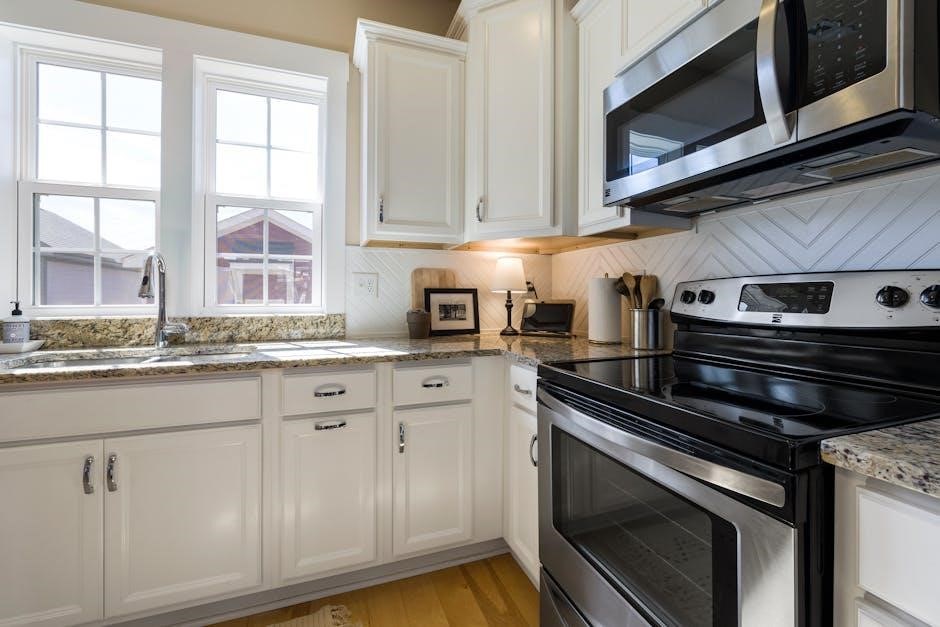
This manual details the versatile GE Profile appliance, blending microwave & convection cooking. It ensures peak performance, longevity, and safe operation for all users.
Understanding Your GE Profile Oven
Your GE Profile microwave/convection oven represents a significant investment in kitchen technology, offering a blend of convenience and culinary power. This appliance isn’t simply a microwave; it’s a versatile cooking system capable of traditional microwave functions, true convection baking, and innovative combination modes. Familiarizing yourself with its components – from the temperature probe to the metal shelf – is crucial for optimal performance.
Understanding the interplay between microwave energy and convection heat unlocks a wider range of cooking possibilities. The oven’s design prioritizes both functionality and ease of use, but proper installation, operation, and maintenance (detailed later in this guide) are essential for maximizing its lifespan and ensuring consistently delicious results. Expect variations in features and appearance across different models.
Key Features and Benefits
The GE Profile microwave/convection oven boasts a suite of features designed to simplify and enhance your cooking experience. Key among these is the integrated temperature probe, enabling precise cooking for meats and ensuring food safety. The inclusion of a metal shelf facilitates convection baking, mimicking the results of a traditional oven.
Benefit from versatile cooking modes – microwave, convection, and combination – allowing you to adapt to any recipe. Steam cleaning functionality (on applicable models) simplifies maintenance, while the oven’s overall design prioritizes both performance and aesthetic appeal. Enjoy faster cooking times, even heating, and the ability to create restaurant-quality dishes from the comfort of your home. This appliance truly offers a premium cooking solution.
Safety Precautions
Prioritize safety when operating your GE Profile microwave/convection oven. Always ensure proper grounding to prevent electrical shock. Never operate the oven with a damaged cord or plug, and avoid using extension cords. Be cautious of hot surfaces, utilizing oven mitts or pot holders when handling cookware.
Do not heat sealed containers, as they may explode. Supervise children when the oven is in use. Regularly inspect the door seals for damage, and refrain from operating the oven if they are compromised; Be aware that microwave cooking can cause delayed boiling, so stir liquids carefully. Finally, address any TV/radio interference promptly, as it may indicate a potential issue with the oven’s shielding.
Installation Guide
Proper installation is crucial for optimal performance of your GE Profile oven. Before beginning, ensure a dedicated, properly grounded electrical outlet is available. Carefully unpack the oven and inspect for any shipping damage. Refer to the detailed installation instructions included with your model, paying close attention to required clearances for ventilation.
For built-in models, precise cabinet dimensions are essential. Confirm adequate support is in place to bear the oven’s weight. Ensure proper grounding exists before use, as highlighted in accompanying documentation. Optional kits may be required for specific installations. If unsure, consult a qualified technician for assistance to guarantee a safe and secure setup.
Proper Grounding Requirements

Grounding is paramount for safety when operating your GE Profile microwave/convection oven. This appliance must be grounded while in use to prevent electrical shock hazards. The oven’s power cord includes a grounding wire – do not under any circumstances remove or disable this wire.
Plug the oven into a properly grounded three-prong outlet. Ensure proper ground exists before use, verifying the outlet is correctly wired. Never use adapter plugs that bypass the grounding connection. If a grounding outlet isn’t available, consult a qualified electrician to install one. Improper grounding voids the warranty and poses a significant safety risk.
Operating Instructions
Your GE Profile microwave/convection oven offers diverse cooking options. Begin by familiarizing yourself with the control panel and its various functions. The oven features dedicated settings for microwave cooking, convection baking, and combination modes, allowing for versatile meal preparation.
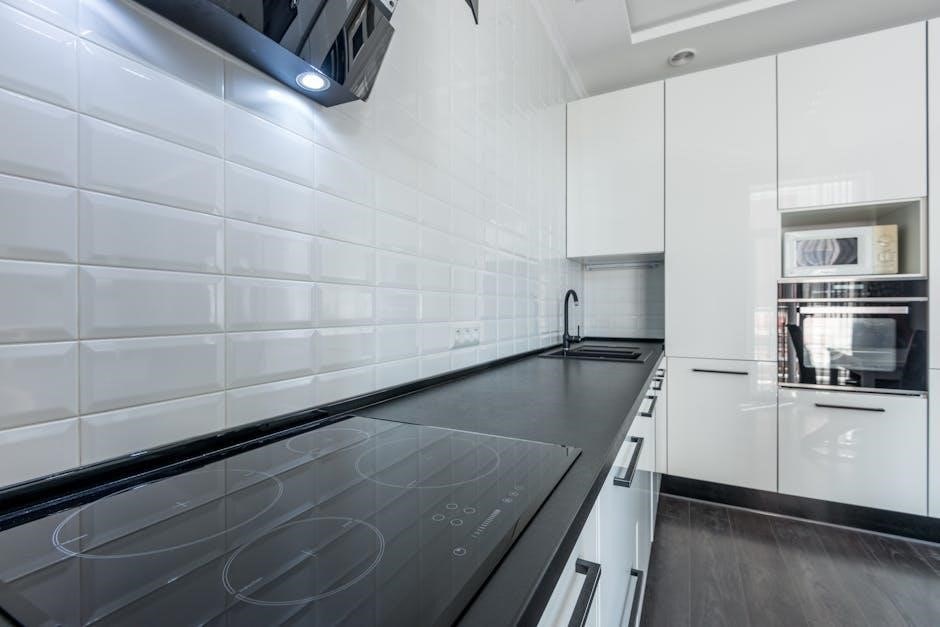
Features of Your Microwave may vary slightly depending on your specific model. Utilize the digital display to input cooking times and power levels. Always refer to recipe guidelines for optimal results. Remember to place food in microwave-safe containers. Explore the pre-programmed settings for common dishes, simplifying your cooking process. Proper operation ensures efficient and safe appliance use.
Microwave Cooking Functions
The GE Profile oven’s microwave functions provide rapid and convenient cooking. Utilize the power level settings to adjust cooking intensity, from defrosting delicate items to quickly reheating leftovers. Explore features like Sensor Cook, which automatically adjusts cooking time based on moisture levels.
For even heating, employ the turntable function, ensuring consistent microwave distribution. Familiarize yourself with pre-programmed settings for popular foods like popcorn or potatoes. Always use microwave-safe containers and cover food to prevent splattering. Remember to check food’s internal temperature to ensure it’s thoroughly cooked. Proper microwave usage guarantees efficient and safe results.
Convection Cooking Functions
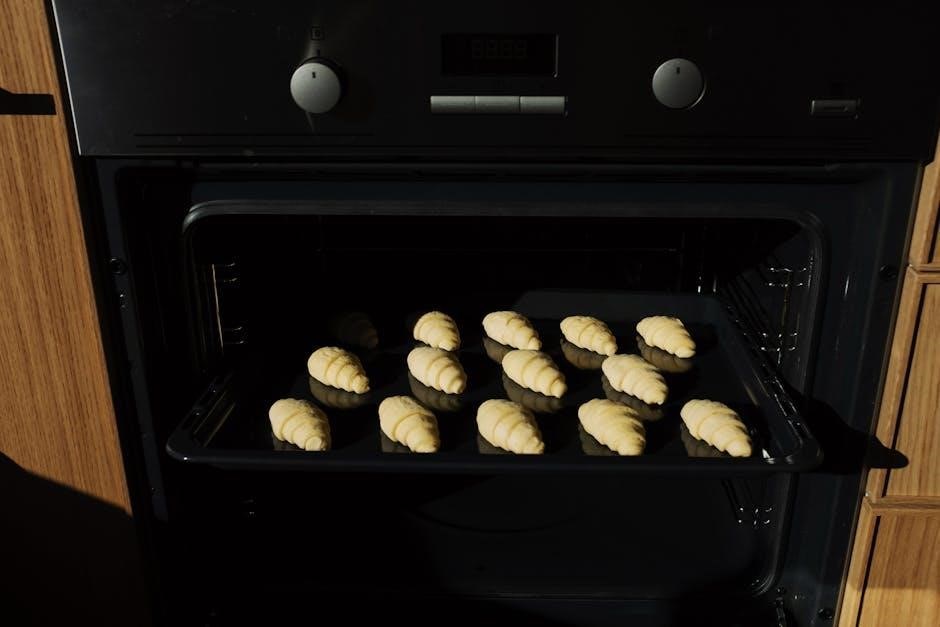
The convection feature of your GE Profile oven mimics a traditional oven, circulating hot air for even baking and browning. This results in faster cooking times and superior results compared to standard microwave cooking. Utilize convection bake for pastries, cookies, and casseroles, achieving golden-brown perfection.
Convection roast is ideal for meats, providing crispy exteriors and juicy interiors. Adjust the temperature and time based on your recipe, and remember to use oven-safe cookware. Ensure the metal shelf is properly positioned for optimal air circulation. Explore convection broil for quick and efficient browning of the top of dishes.
Combination Cooking Modes
GE Profile ovens excel with combination cooking, merging microwave energy with convection heat for remarkably efficient results. Combination Temperature Cook allows precise temperature control, ideal for roasting chicken or baking delicate items. This mode ensures even cooking and a beautifully browned exterior.
Combination Roast utilizes both technologies to accelerate roasting times while maintaining moisture and flavor. Experiment with different power levels and cooking times to achieve your desired outcome. These modes offer a versatile approach to meal preparation, reducing cooking time without compromising quality. Always consult your recipe and adjust accordingly for optimal performance.
Using the Temperature Probe
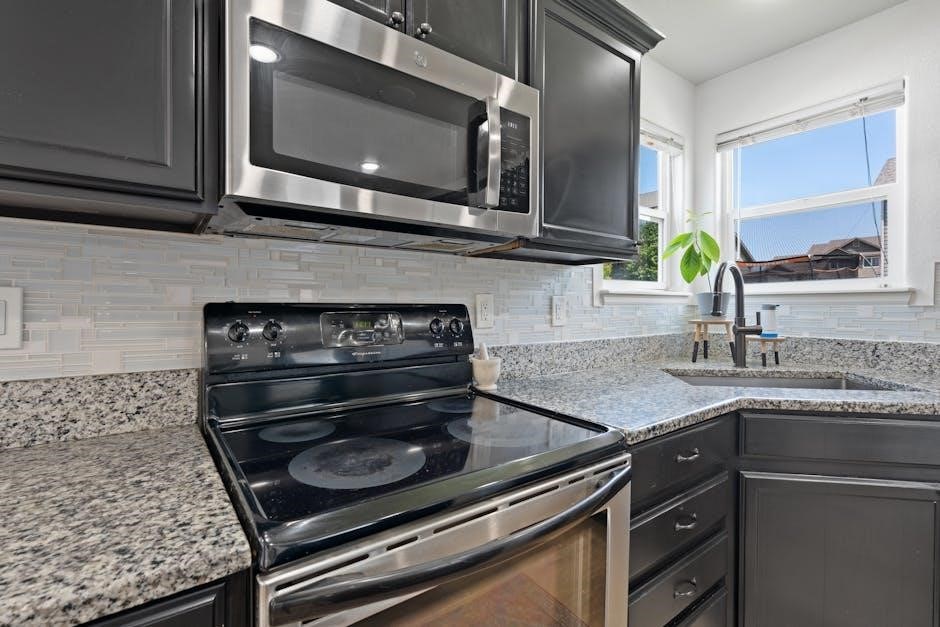
The temperature probe is a valuable tool for achieving perfectly cooked results, especially with larger cuts of meat. Insert the probe into the thickest part of the food, ensuring it doesn’t touch bone. Utilize the probe with Temp Cook/Hold, Convection Temperature Cook, or Combination Temperature Cook for precise monitoring.
Set your desired internal temperature, and the oven will automatically shut off when that temperature is reached. This prevents overcooking and guarantees juicy, flavorful dishes. The probe is also compatible with Combination Roast, offering enhanced control during extended cooking times. Remember to clean the probe thoroughly after each use for optimal hygiene and accuracy.
Shelf Placement and Usage
Proper shelf placement is crucial for optimal cooking performance within your GE Profile oven. When utilizing convection cooking functions, the metal shelf must be positioned on the oven floor. This ensures even heat circulation around the food, promoting consistent browning and cooking throughout.
For microwave-only cooking, the shelf is generally not required, unless specified in the recipe. However, using the shelf can help prevent splattering and make cleanup easier. Always ensure the shelf is securely placed before starting the oven. Avoid overcrowding the shelf, allowing sufficient space for air to circulate effectively. Regularly inspect the shelf for any damage or warping.

Cleaning and Maintenance
Maintaining oven cleanliness is vital for both hygiene and performance. Regularly wipe down the interior with a damp cloth and mild detergent after each use to prevent food buildup. Avoid abrasive cleaners, as they can damage the interior surfaces. The oven door and exterior should be cleaned similarly.
If your model features a steam cleaning function, follow the specific instructions outlined in the ‘Steam Cleaning Function’ section of this manual. This simplifies the removal of stubborn stains. Ensure the oven is cool before cleaning. Proper maintenance extends the appliance’s lifespan and ensures optimal cooking results.
Maintaining Oven Cleanliness
Regular cleaning is crucial for a hygienic and efficient cooking experience. After each use, wipe the interior with a soft cloth dampened with warm water and mild dish soap. Avoid harsh abrasives or scouring pads, which can scratch the surfaces. Pay particular attention to splatters and food residue, as these can become difficult to remove if left unattended.
For baked-on spills, allow the oven to cool completely, then use a non-abrasive oven cleaner specifically designed for microwave/convection ovens. Always follow the cleaner’s instructions carefully. A clean oven retains its looks and operates optimally, ensuring consistent cooking results.
Steam Cleaning Function (if applicable)
If your GE Profile model features a steam cleaning function, it offers a convenient way to loosen baked-on food residue. Begin by adding the specified amount of water – typically one to two cups – into the designated reservoir. Then, activate the steam clean cycle following the instructions in the ‘Operating Instructions’ section of this manual.
The steam will penetrate and soften stubborn messes, making them easier to wipe away with a soft cloth after the cycle completes. Always exercise caution when handling hot steam and allow the oven to cool before cleaning. This function minimizes the need for harsh chemical cleaners, promoting a healthier cooking environment.
Troubleshooting Common Issues
Encountering problems with your GE Profile oven? This section addresses frequent concerns. TV/Radio Interference: Microwave operation can occasionally disrupt TV or radio signals. Ensure proper grounding and try repositioning the antenna. If issues persist, operate the oven with a reduced power level.
Other common issues include uneven cooking, sparking, or the oven failing to start. Always consult the ‘Operating Instructions’ before attempting repairs. For element, sensor, or fan malfunctions, professional service is recommended. Never attempt self-repair of these components. Refer to the ‘Warranty Information’ for coverage details and authorized service centers.
Addressing TV/Radio Interference
Experiencing interference with your television or radio during microwave operation? This is a common occurrence, stemming from the electromagnetic energy emitted during cooking. First, verify proper grounding of your GE Profile oven – a crucial safety and performance factor. Next, try adjusting the position of your TV or radio antenna.
Reducing power levels during cooking can also minimize interference. If the problem persists, operate the microwave with a smaller load or briefly pause operation to check signal restoration. Remember that some older TV/radio models are more susceptible to interference. Consult a qualified technician if issues remain unresolved.
Repairing Elements, Sensors, and Fans
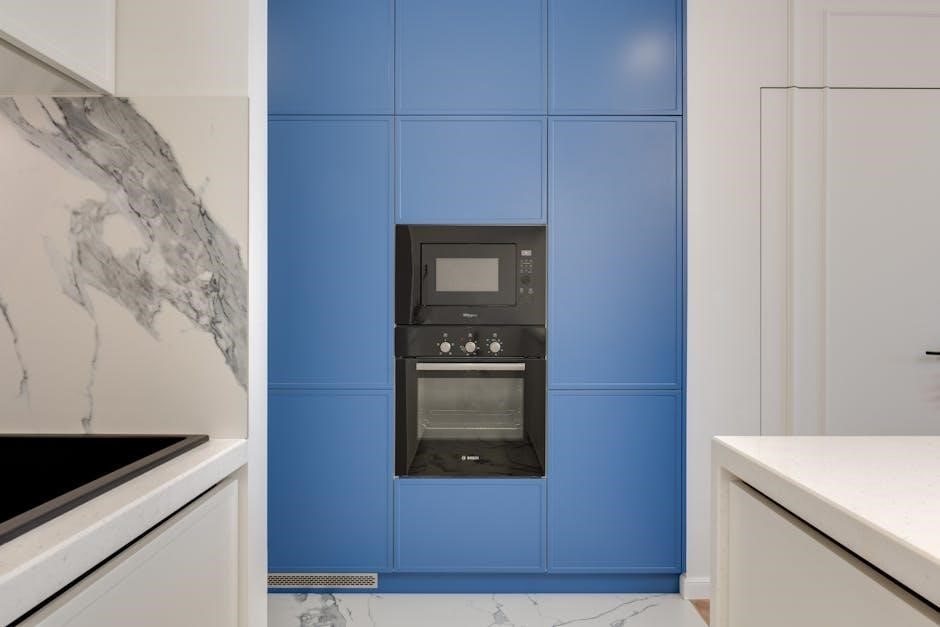
GE Profile ovens, while reliable, may occasionally require component repairs. Issues with heating elements can cause uneven cooking, while faulty sensors impact temperature accuracy. Fan malfunctions often lead to overheating or unusual noises. Attempting self-repair can be dangerous; always disconnect power before inspection.
For element or sensor problems, professional diagnosis is recommended due to electrical complexities. Fan repairs might involve replacing the motor or blades. Do not attempt to bypass safety features. Contact GE’s authorized service network for qualified technicians and genuine replacement parts. Improper repairs can void your warranty and pose safety risks.
GE Profile Oven Models ー Variations
GE Profile offers a diverse range of microwave/convection oven models, each tailored to specific kitchen needs and preferences. Variations exist in capacity, from compact 1.6 cu. ft. models to larger 2.2 cu. ft. options. Control panel designs differ, including touchscreens and traditional dials. Some models feature built-in WiFi connectivity for remote control and software updates.
Convection capabilities also vary; some offer true convection with a heating element and fan, while others utilize convection roast settings. Exterior finishes include stainless steel, black stainless steel, and white. Specific features like steam cleaning or integrated temperature probes may be exclusive to certain models. Always refer to your model’s specific manual for detailed information.
Optional Kits and Accessories
Enhance your GE Profile microwave/convection oven’s functionality with available optional kits and accessories. These include a stainless steel trim kit for a seamless built-in appearance, and a convection kit to optimize baking and roasting performance. A versatile grilling accessory expands cooking options, while a dedicated steamer kit allows for healthy steam cooking.
Additional accessories such as a turntable support ring and specialized baking pans are also available. Ensure compatibility with your specific model before purchasing. Proper grounding is essential when installing any accessory. These additions can significantly broaden the oven’s capabilities, catering to diverse culinary needs and preferences, maximizing your investment.
Warranty Information
Your GE Profile microwave/convection oven is covered by a comprehensive warranty, protecting against manufacturing defects in materials and workmanship. The standard warranty period is typically one year from the date of original purchase for parts and labor. Extended warranty options are often available for purchase, providing additional coverage for extended periods.
This warranty excludes damage resulting from misuse, improper installation, or unauthorized repairs. To initiate a warranty claim, retain your proof of purchase and contact GE Appliances’ customer service department. Detailed warranty terms and conditions are included in the separate warranty document provided with your oven. Registering your appliance online expedites the claims process.
Where to Find Additional Support
For comprehensive support regarding your GE Profile microwave/convection oven, several resources are readily available. GE Appliances’ official website (www.geappliances.com) offers a wealth of information, including FAQs, downloadable manuals, and troubleshooting guides. Their customer service team can be reached via phone or online chat for personalized assistance.
Authorized GE service centers provide professional repair services. Online forums and communities dedicated to GE appliances can offer peer-to-peer support and helpful tips. YouTube channels often feature instructional videos demonstrating common repairs and maintenance procedures. Keep your model number handy when seeking support for faster, more accurate assistance.