
Overview of the G3 Plus Manual
The G3 Plus manual, released May 4 2023 and updated June 5 2023, details the scooter’s design, features, and user instructions. It covers safety, component identification, battery care, operation, maintenance, and troubleshooting, ensuring riders can use the G3 Plus safely and effectively. Enjoy rides! Safe!
1.1 Purpose and Scope
The G3 Plus User Manual is the definitive guide for owners and operators of the G3 Plus electric scooter. Its purpose is to provide clear, concise instructions that enable safe, efficient, and enjoyable use of the scooter across a range of daily scenarios. The manual outlines specifications, operational procedures, and essential safety precautions, ensuring users understand how to start, ride, and maintain the vehicle responsibly. It also details legal and regulatory requirements applicable to electric scooters, helping riders comply with local traffic laws and licensing rules. By presenting a structured overview of the scooter’s design, performance limits, and recommended care practices, the manual empowers users to maximize the scooter’s lifespan while minimizing risk. The scope covers all aspects of the G3 Plus, from initial setup and battery charging to routine maintenance and troubleshooting. It is intended for both first‑time users and experienced riders, offering step‑by‑step guidance, visual aids, and troubleshooting tips that address common issues. The manual is regularly updated to reflect firmware changes, new safety guidelines, and user feedback, ensuring that the information remains current and reliable. By adhering to the guidance in this manual, users can confidently navigate urban environments, enjoy reliable performance, and maintain the scooter in optimal condition for years to come. For detailed procedures, consult the step‑by‑step sections, diagrams, and FAQ included in the manual to ensure proper use and maintenance.

Safety Guidelines
Follow these safety guidelines: wear helmet, gloves, and protective eyewear. Keep hands inside the frame, use both feet on the deck, and avoid riding on wet or uneven surfaces. Never use the scooter while intoxicated or distracted. Observe speed limits and traffic rules. Check battery charge before riding alert
2.1 General Safety Precautions
Before operating the G3 Plus, read the safety section carefully. Wear a certified helmet, closed‑toed shoes, and gloves. Keep both hands on the handlebars and feet on the deck. Do not ride on wet or uneven surfaces. Maintain a safe distance from pedestrians and vehicles. Avoid riding under the influence of alcohol or medication that impairs judgment. Do not modify the scooter’s battery or electrical system. Keep the charging port and battery compartment clean and dry. Use only the supplied charger and a grounded outlet. Never leave the scooter charging unattended. Inspect for damage before each ride; stop if any part is broken. Keep the display dry; moisture can damage electronics. Store the scooter in a dry, shaded area when not in use. Keep phones away from the charging area to avoid short circuits. If you hear unusual noises or see warning lights, stop immediately and consult the troubleshooting section. By following these precautions, you can ride safely and enjoy the G3 Plus. Use the emergency stop lever located near the rear brake lever to halt the scooter instantly during emergencies. The scooter’s maximum speed is 25 mph; exceeding this limit can strain the motor and reduce battery life. Check tire pressure regularly and inflate to the manufacturer’s recommended PSI to maintain optimal grip and extend tire life. Review the maintenance schedule in the manual to keep the scooter in peak condition and avoid costly repairs. Check the manual for firmware updates. Stay safe. Always keep the scooter’s firmware updated!
Scooter Components and Identification
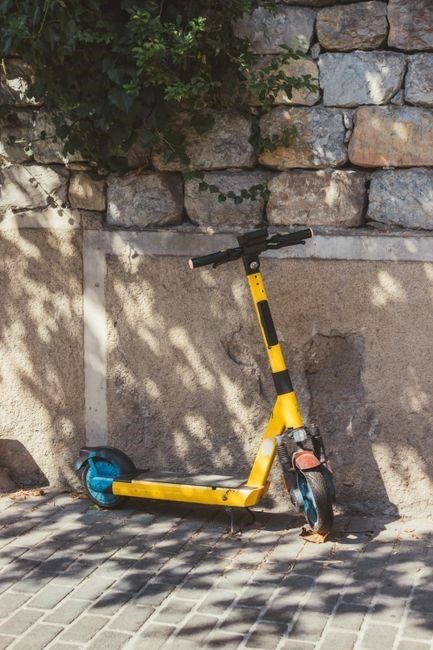
The G3 Plus features a lightweight aluminum frame, dual 250 W motors, a 36 V 10 Ah battery, a 6‑speed hub gearbox, a 3‑point ABS system, a digital LCD display, a front LED headlamp, a rear brake lever for easy transport. The handlebar adjustable, seat optional, quick‑release battery shows speed battery level.
3.1 Key Parts and Their Functions
The G3 Plus electric scooter is built around several essential components that work together to deliver a smooth, efficient ride; At its core is a 250 W brushless motor that powers the 8 inch front wheel, providing instant torque for quick acceleration. The motor is paired with a 36 V, 7.5 Ah lithium‑ion battery that offers up to 25 km of range on a single charge, and a smart charging circuit that protects the cells from over‑discharge.
Control of the scooter is handled by a twist‑throttle on the left handlebar, which sends a variable voltage signal to the controller. The controller translates this signal into motor speed, while also monitoring battery voltage, current draw, and temperature. A rear disc brake, activated by a lever on the right handlebar, provides reliable stopping power in wet or dry conditions.
The front and rear suspension systems absorb bumps and maintain stability on uneven terrain. The front is a telescopic fork with a 60 mm travel, while the rear uses a single‑shock design that keeps the seat level. The scooter’s frame is a lightweight aluminum alloy, offering durability without excessive weight. The adjustable shock ensures a smooth ride even on rough roads.
Additional features include a digital display that shows speed, battery level, and range, a keyless ignition that locks the scooter when the key is removed, and a set of 8‑inch pneumatic tires that reduce rolling resistance. The footrest and ergonomic handlebar provide rider comfort, while the integrated LED lights improve visibility during night rides .
Battery and Charging Procedures
Charge the G3 Plus using the supplied USB‑C charger to a 5 V/2 A outlet. Disconnect once the green LED lights up. Keep the battery cool, dry, and out of direct sunlight. Store fully charged for up to 30 days. Follow these steps for safe, efficient use and keep charged!
4.1 Charging Basics and Safety
Charging the G3 Plus is straightforward but requires attention to safety. Always use the original USB‑C charger supplied with the scooter, ensuring it matches the 5 V/2 A output specification. Before connecting, verify the charger’s polarity and that the cable is intact, free of frays or kinks. Place the scooter on a flat, stable surface, preferably on a non‑conductive mat, and ensure the charging port is clean and dry. Connect the charger to the scooter, then plug the charger into a grounded outlet. The scooter’s indicator light will turn green once charging commences. Do not touch the battery terminals during charging, as this can cause short circuits. Keep the scooter away from heat sources, water, and direct sunlight while charging. Once the battery is fully charged, indicated by a steady green light, unplug the charger from the outlet first, then disconnect it from the scooter. Store the scooter in a cool, dry place, and avoid exposing the battery to extreme temperatures. Regularly inspect the charging cable and port for wear; replace any damaged components immediately. Following these steps ensures efficient charging and prolongs battery life while maintaining safety.
Keep the charging cable free from kinks and store it dry after use. Never charge the scooter on a wet surface or in direct rain. Monitor the charging process; if the indicator light flickers, stop charging and inspect the cable. Follow the manufacturer’s recommended charging schedule to avoid overcharging and extend battery longevity.!!

Operating the G3 Plus

The G3 Plus operates with a simple start button, throttle control, and brake lever. Power on by pressing the button until the LED lights, then twist the throttle to accelerate. To stop, release throttle and engage the brake. Turning is smooth, use the handlebar for direction. Follow speed limit and wear gear.

5.1 Starting, Stopping, and Turning
To begin riding the G3 Plus, ensure the battery is fully charged and the scooter is on a flat surface. Press the power button located on the left handlebar until the LED indicator turns solid green, confirming the system is ready. Once powered, gently twist the throttle to engage the motor. The scooter will accelerate smoothly; maintain a steady hand on the throttle to control speed. When you wish to stop, release the throttle and apply the front brake lever. The scooter will decelerate gradually, allowing you to maintain balance. For a complete stop, press the power button again to turn the system off. Turning is achieved by steering the handlebars left or right. The G3 Plus features a responsive steering mechanism that translates handlebar input into wheel direction. For sharper turns, slightly lean into the direction of travel while maintaining throttle control. Always keep your eyes on the road ahead, and avoid sudden jerks that could destabilize the scooter. Following these steps ensures a safe and efficient ride on the G3 Plus. Before each ride, inspect tires, brakes, and lights. Check rear light to signal presence. Adjust seat height for comfort. Anticipate road curvature and lean. Slow before sharp turns. Throttle only when path is clear. Emergency: release throttle, use brakes. Check stability before dismounting. Store in dry place. Keep the battery cool and avoid extreme temperatures. Use the protective case when transporting. Remember to wear a helmet for safety. Follow local traffic rules at all times. Enjoy your ride responsibly. Keep your scooter clean and dry after each use

Maintenance and Care
Regular maintenance keeps the G3 Plus running smoothly. Inspect tires, brakes, and lights weekly; tighten bolts and clean the frame. Lubricate the chain lightly, check battery connections, and ensure firmware is up to date. Follow the manual’s schedule to prevent wear and extend lifespan. Keep it clean, dry!.
6.1 Routine Service Checks

Performing routine service checks on the G3 Plus ensures reliability and extends the scooter’s life. Inspect the frame for cracks or loose fasteners and tighten any bolts that feel loose. Check front and rear brakes for wear; replace pads if stopping distance increases or pads show wear. Inspect tires for tread wear, sidewall damage, or punctures; replace any tire below the manufacturer’s minimum depth or with visible cuts. Clean wheel rims and spokes with a soft brush and mild detergent, then dry thoroughly to prevent rust. Lubricate the chain with suitable bike‑chain oil, applying a thin coat and wiping off excess to avoid attracting dirt. Verify handlebar grips are secure and free of cracks; replace grips if they show signs of wear. Test electrical connections at the battery, ensuring terminals are clean and tight; remove corrosion with a wire brush and isopropyl alcohol. Check display and control buttons for responsiveness and if any button is unresponsive, consult troubleshooting. Inspect LED lights for proper illumination and replace any bulb that has dimmed or failed. Run a short test ride to confirm brakes, throttle, and lights function correctly. Document each check in a maintenance log, noting dates, parts replaced, and observations. Updating the log tracks wear patterns and schedules maintenance before issues become critical. By following these steps, riders maintain optimal performance, safety, and longevity for their G3 Plus. Additionally, keep the scooter’s firmware up to date via the manufacturer’s app to ensure optimal performance and safety features remain current. Inspect battery for swelling or leakage before charging.

Troubleshooting Common Issues
Common issues include power failures, display glitches, or motor stalls. Check battery connections, reset the unit, and ensure firmware is current. If error codes appear, consult the manual’s code list and follow the prescribed fixes. For persistent problems, contact support. Check manual for fixes today!Help
7.1 Error Codes and Fixes
When the G3 Plus displays an error code, consult the manual’s reference table. Typical codes include: E01 – Battery not connected; E02 – Low battery; E03 – Motor fault; E04 – Over‑temperature; E05 – Brake sensor error. For each code, follow the prescribed fix: 1. Verify battery cables are snug and free of corrosion. 2. Charge the battery fully and let the scooter cool if overheating. 3. Inspect the motor housing for debris or damage and clean or replace as needed. 4. Reset the scooter by holding the power button for 10 seconds. 5. If the error persists, perform a factory reset via the mobile app or contact G GoTrax support. Always refer to the latest firmware update notes, as some codes are resolved by software patches. By systematically checking connections, temperature, and firmware, most error conditions can be cleared without professional service.
If the error persists after following the above steps, consider the following additional checks: 1) Verify the scooter’s firmware is up to date by connecting to the GoTrax app and downloading any available updates. 2) Inspect the wheel bearings for wear and replace if necessary; 3) Ensure the brake pads are not worn out; replace them if the braking feels light. 4) Check the scooter’s ground connection for corrosion. 5) If the scooter still does not start, contact GoTrax customer support for further assistance. Following these steps will often resolve lingering issues and restore full functionality. If problems persist, contact GoTrax support today.