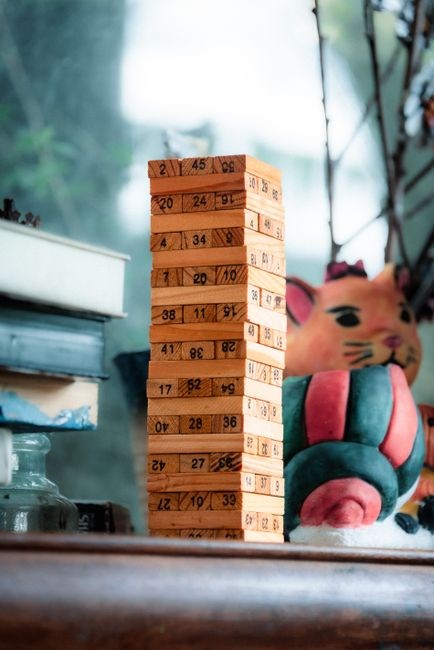
Welcome to the ultimate guide for creating a tower strategy manga. This section outlines the fundamentals, setting the stage for your journey. Learn how to blend gameplay mechanics with narrative flow, ensuring readers stay engaged from the first panel. Master tactics, art, narrative for fights!.
Purpose of the Guide
This guide is designed to empower aspiring manga creators with a comprehensive framework for developing a tower strategy narrative that captivates readers and players alike. By dissecting core mechanics, visual storytelling techniques, and market positioning, it offers a step‑by‑step roadmap that transforms raw ideas into a polished, publish‑ready product. The primary goal is to bridge the gap between game design theory and comic artistry, ensuring that every strategic decision—be it troop placement, resource management, or level progression—resonates within the page layout and panel flow. In addition, the guide emphasizes audience engagement, teaching how to weave tension, humor, and emotional stakes into each chapter while maintaining clarity of gameplay logic. It also provides actionable templates for character arcs, enemy design, and environmental cues that reinforce the tower’s thematic identity. Ultimately, readers will leave with a clear vision of how to iterate on gameplay loops, refine narrative pacing, and produce a cohesive, market‑ready manga that stands out in a crowded genre.
Readers will learn to balance resource allocation, troop synergy, and defensive positioning while adapting to evolving threats. The guide explores narrative hooks that keep readers invested, such as hidden lore and side quests that mirror gameplay progression. By integrating these elements, creators can craft a compelling, strategic manga that resonates with fans of immersive storytelling Enjoy!

Concept Overview
Set your tower strategy manga in a sprawling, multi‑tiered fortress where every floor offers unique challenges. Blend tactical depth with dynamic art, letting readers experience real‑time decisions through vivid panels and strategic dialogue. Unlock secrets, sharpen tactics
Core Idea & Unique Selling Points
The core idea centers on a living tower that evolves with player choices, turning each ascent into a tactical narrative. Readers follow a strategist who must outmaneuver rival guilds, manage resources, and adapt to shifting floor layouts. The manga’s unique selling points lie in its dual‑layered storytelling: on the surface, a fast‑paced, visually striking action sequence; beneath, an intricate strategy guide that reveals hidden mechanics, optimal unit placement, and counter‑tactics. Each chapter introduces a new floor theme—ice, fire, shadow—paired with a mini‑tutorial that teaches readers how to exploit environmental hazards. The art style blends sharp, dynamic panels with detailed schematics, allowing fans to visualize battle formations while enjoying cinematic flair. Interactive elements, such as QR codes linking to a companion app, let readers test strategies in real time, blurring the line between fiction and gameplay. The guide also offers downloadable character sheets, a tier list, and a community leaderboard, fostering an active fanbase that shares custom builds and fan‑art. By marrying instructional depth with compelling narrative, this manga becomes both a source of entertainment and a practical training manual for tower‑strategy enthusiasts worldwide. Readers can also engage with an interactive companion app that tracks progress, unlocks exclusive content, and offers real‑time analytics to refine tactics. The manga’s community hub invites fans to submit custom unit designs, battle strategies, and fan art, many of which may appear in future chapters. Join the adventure now! today!!

Character Design
Designing the protagonist, a strategist, and a supporting cast, each with unique skills and backstories. Their growth mirrors tower progression, offering readers relatable arcs and strategic depth. Visual cues hint at abilities, enhancing gameplay insight. for deep mastery.
Protagonist and Supporting Cast
Arion, the tower’s chief strategist, is a former academy prodigy whose sharp mind and calm demeanor make him the perfect leader for the escalating battles. His armor, a sleek blend of matte steel and iridescent panels, reflects the tower’s shifting light. Arion’s backstory—abandoned by his mentor after a failed experiment—drives his relentless pursuit of perfection.
Liora, the scout whose speed and stealth allow her to infiltrate enemy lines and relay critical intel. Her lightweight armor and hooded cloak keep her silhouette almost invisible, a visual cue to her role as the unseen hand. Garrik, the siege engineer, brings brute force to the team. His hulking frame, reinforced gauntlets, and battered helm suggest a history of surviving countless sieges, and his tactical knowledge of structural weaknesses is indispensable.
The Sage, a former scholar, serves as the tower’s living archive. Dressed in translucent robes that shimmer with floating sigils, she offers cryptic guidance that unlocks hidden strategies, reminding players that knowledge is as powerful as steel. Vesper, the rogue, completes the ensemble. With twin blades and a cloak of shadows, she can slip through defenses, providing a counterbalance to the more straightforward tactics of Arion and Garrik.
Together, these characters embody the core pillars of strategy: foresight, adaptability, and teamwork. Their synergy fuels the tower’s defenses, turning each floor into a living battlefield and more!! in each move.
Tower Architecture
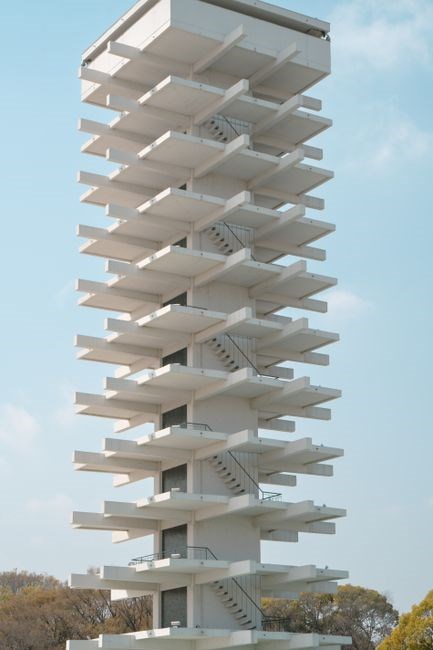
The tower ascends in concentric rings, each floor a distinct biome. Luminous crystal walls echo strategic whispers, while hidden alcoves conceal traps. Modular platforms shift, forcing players to adapt tactics. Architecture itself becomes a living puzzle, demanding foresight. Strategic depth!!!
Floor Layouts and Key Locations
The tower is divided into thematic tiers, each with distinct strategic zones. The ground floor opens to a resource plaza, surrounded by a training arena and a library that offers tactical lore. A hidden vault beneath the plaza stores rare relics.
Mid‑tower floors feature environmental challenges: a wind‑torn balcony that grants aerial advantage, a flooded chamber with rising water forcing timed retreats, and a labyrinthine maze that distorts perception and unit placement. These layers demand adaptive tactics.
- Resource Plaza – gathering hub, NPC traders.
- Training Arena – unit drills, skill practice.
- Library – lore, upgrade recipes.
- Hidden Vault – rare relics, puzzle lock.
- Wind Balcony – gusts, aerial unit advantage.
- Flood Chamber – rising water, timed escape.
- Mirror Maze – illusion, repositioning.
- Throne Room – boss arena, dynamic platforms.
Each location is highlighted with a unique color scheme and lighting cue, guiding the reader’s eye to critical gameplay elements and narrative beats.
The tower’s architecture is not only a backdrop but a living entity that reacts to the player’s decisions, altering pathways, spawning new enemies, and revealing hidden lore. Each floor’s design encourages experimentation, rewarding creative strategies with unexpected bonuses and narrative twists. It also morphs, revealing hidden rooms that test the player’s wit.!
Inhabitants & Ecosystem
The tower hosts diverse factions: stalwart guardians, cunning thieves, enigmatic scholars, and rogue AI constructs. Each group offers unique abilities, trade routes, and quests, shaping the strategic landscape. Alliances shift as power balances evolve.!!!!!
Depth.
Enemy Types and Allies
In the tower’s labyrinthine halls, adversaries emerge from every corner, each embodying a distinct tactical philosophy. The Stone Sentinels are hulking guardians forged from living crystal; they absorb damage and retaliate with seismic shockwaves, forcing players to prioritize mobility and crowd‑control. Shade Assassins slip through shadows, launching rapid, low‑damage strikes that exploit timing gaps; their presence demands precise positioning and the use of light‑based traps. The Arcane Wardens wield spell‑binding barriers that can lock entire floors, requiring coordinated team pushes and the strategic deployment of disruption abilities. Mechanical Golems patrol the mechanical wing, each with a unique subsystem—hydraulic arms, magnetic fields, or plasma cores—making them formidable against unprepared squads. Finally, the Void Cultists manipulate reality, creating rifts that teleport enemies or spawn minions, compelling players to adapt on the fly.
Allies are equally varied, offering complementary strengths that can turn the tide of battle. The Chrono Engineers can slow or accelerate time in localized zones, granting tactical advantage in high‑pressure encounters. Echo Rangers provide long‑range reconnaissance and can mark enemies for amplified damage, enabling coordinated strikes. The Verdant Wardens heal and bolster defenses, creating safe zones that allow for regrouping. Cybernetic Scribes hack enemy systems, disabling traps and turning hostile mechanisms into temporary allies. Lastly, the Spectral Guides can phase through walls, delivering surprise attacks and gathering intel on enemy positions.
Strategic synergy between enemies and allies is key. Players must learn to anticipate enemy patterns, time ally abilities, and exploit environmental hazards. Mastery of these interactions defines the tower’s difficulty curve and rewards creative problem‑solving.
Story Arc & Level Design
The narrative unfolds across ascending floors, each level revealing a new chapter of the protagonist’s quest. Players confront escalating threats, uncover hidden lore, and unlock powerful allies, all while mastering escalating puzzles that blend strategy with storytelling. Each level tests strategy!.
Narrative Progression and Challenges
In this section, the story arc is dissected into distinct phases that mirror the tower’s vertical journey. The opening acts introduce the protagonist’s motivation and the tower’s ominous aura, setting the stakes for every floor. As the hero ascends, each level escalates in difficulty, revealing deeper lore and new adversaries that test both tactical acumen and emotional resilience. The narrative is punctuated by pivotal encounters—boss battles that serve as narrative milestones, forcing the player to adapt strategies and uncover hidden abilities. Interspersed between these climactic moments are “breather” floors that provide opportunities for character development, side quests, and resource management, allowing readers to absorb the world’s history and the protagonist’s growth. The climax culminates on the tower’s summit, where the final confrontation synthesizes all learned mechanics and narrative threads into a cohesive resolution. Throughout, the pacing balances action with exposition, ensuring that each chapter feels consequential while maintaining momentum. The design philosophy emphasizes modularity: each floor’s layout can be swapped or reconfigured, enabling varied replayability and encouraging readers to experiment with different strategies. By aligning gameplay progression with story beats, the manga invites both strategic thinkers and narrative enthusiasts to engage deeply with the tower’s mysteries. Readers will find each floor a puzzle, urging replay.

Visual Style & Panel Layout
Design a dynamic visual rhythm that mirrors tower ascension. Use vertical panels to emphasize height, contrasting tight frames for tense battles with wide spreads for strategic overviews. Color shifts signal danger, while clean line work guides focus, ensuring readability and immersion. Stay sharp!!!!!!
Color Palette and Art Direction
Choose a unified palette that anchors the tower’s vertical narrative. Start with muted earth tones—deep browns, charcoal greys, slate blues—to ground the setting. Accent with high‑contrast colors: crimson for threats, emerald for allies, amber for traps. Gradients should be subtle, letting light bleed from the top down, guiding the eye upward.
Art direction balances realism with stylized exaggeration. Clean, defined lines frame characters, while exaggerated eyes and limbs convey emotion instantly. Layered backgrounds, slightly blurred foregrounds, and subtle textures—stone, metal, glass—add depth without clutter.
Lighting becomes a narrative device. Use chiaroscuro to highlight pivotal moments—deep shadows for tension, warm glows for success. Sudden drops in saturation signal failure, plunging panels into muted grays that emphasize the tower’s ominous atmosphere.
Maintain consistency across chapters with a color key. Each floor’s theme—forest green, industrial grey, celestial blue—should evolve but stay cohesive. Test palettes on multiple devices; digital readers may shift hues, print requires CMYK tweaks. Iterate until the palette enhances gameplay and storytelling.
Finally, consider color grading to unify the entire tower. Apply a subtle overlay—cool teal or warm amber—to tie disparate floors together. This technique not only smooths transitions but also reinforces the emotional arc: a cool hue for uncertainty, a warm hue for victory. Consistent grading ensures readers remain immersed from base to summit.
These choices forge a visual bold experience!
Publishing & Marketing
Plan release dates, target platforms, and promotional events. Leverage social media teasers, exclusive previews, and community contests to build anticipation. Collaborate with influencers for reviews, and offer limited bundles to boost early sales and sustain momentum.
Target Platforms and Promotion Strategies
Choosing the right platforms is crucial for reaching your ideal audience. For a tower strategy manga, digital-first releases on webcomics platforms such as Webtoon, Tapas, and LINE Webtoon allow rapid global distribution. Simultaneously, print editions can be produced through print‑on‑demand services like Lulu or Amazon KDP, ensuring collectors have a tangible product. The release schedule should align with platform peak traffic periods: weekdays for web releases and weekends for print launches.
Promotion strategies must be multi‑channel. Start with a teaser campaign on Instagram, Twitter, and TikTok, using short animated clips that highlight key tower battles. Engage fans with a “Design Your Own Tower” contest, inviting submissions that can be featured in a special edition. Collaborate with popular manga reviewers and gaming influencers to host live Q&A sessions, offering exclusive preview chapters. Email newsletters should segment readers by engagement level, sending personalized updates and early access to chapters.
Merchandising can extend reach: create limited‑edition figurines of the protagonist and tower icons, and partner with cosplay communities for themed events. Cross‑promotions with strategy board game publishers can introduce the manga to tabletop enthusiasts. Finally, track analytics from each channel—click‑through rates, conversion to sales, and social sentiment—to refine tactics and maximize ROI. Earn extra perks by sharing updates.